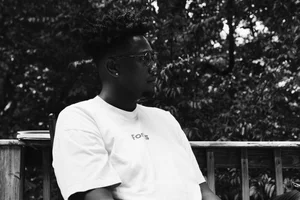
November 2025 Cover Story: Mehki Liggon
When the goal is to elevate, you have to raise the stakes. At least this is what the greats do.
Take Spike Lee, for example, and his handwritten scripts. Both ‘Do The Right Thing’ and ‘He Got Game’ were handwritten in notebooks before being converted to a Word document. “Hand 2 Pen 2 Paper,” as Spike would like to call it. You can always start wherever you are with whatever you have.
Then it’s time to elevate. It’s time to get that writing software or claim that domain. Anything to make your art feel like it’s got a million eyes, just like the art we see on our feeds every day.
What once served as a concept that allowed you to take the next step can soon become the bare minimum. All in the pursuit of excellence.
Regardless of where you fall on the creative spectrum or journey, you should always strive to elevate your project. This can be achieved by marketing with short-form content, upgrading equipment or simply collaborating with others.
Our November cover subject, Mehki Liggon, is knee deep in his quest for elevation. As he continues to develop films and other creative projects, we’ve seen a concerted effort to elevate each new release. Raising the stakes for what many could perceive as simply a hobby.
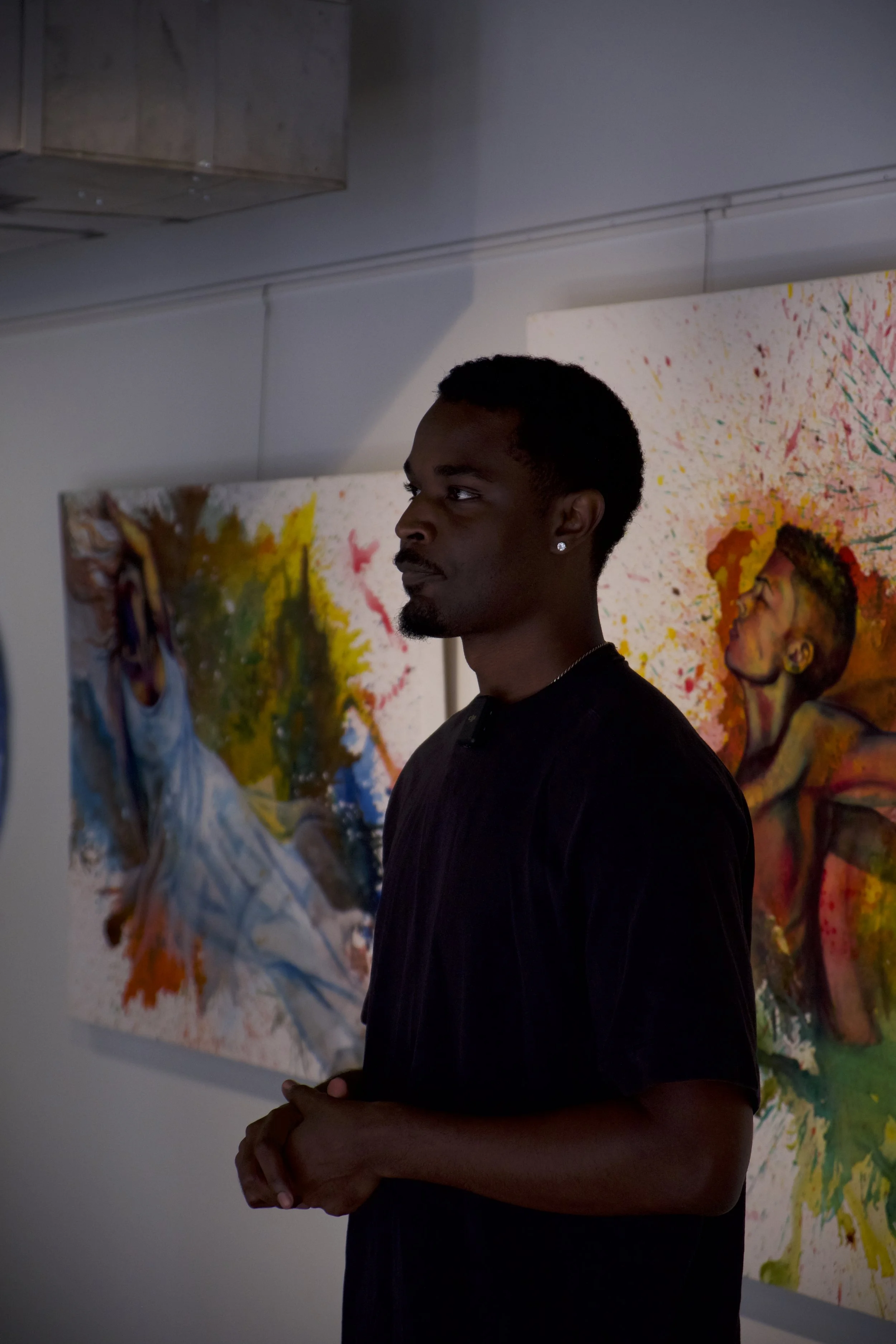
Photo of Mehki Liggon from @masonc.martin
You can tell its intentional. Not only due to the pure volume of content that surrounds each release, but in the world that he brings you into. These stories are drawn from authentic experiences and perspectives that few can convey with such entertaining flair.
An example of this is Liggon’s most recent release, ‘She’s All the Rage’. The short film released back in August is a textbook example of how elevating your work can display aspirations to your audience.
We caught up with the writer/director to talk about his current creative endeavors. In the conversation, we discuss Liggon’s [Mehki Liggon] creative reference points and how he looks to raise the stakes, however that may look.
How did your parents' professional lives impact your upbringing?
When I was younger, it was interesting because I had brothers. We did a little bit of everything. We played sports and took piano lessons. We were in the chess club at one point, so we were all trying new stuff and finding new things that we loved.
I’d say the main thing we got out of my parents' professional lives was the pursuit of excellence. Doing your best at everything you do. My mom is a doctor, and my dad works with TNT Sports; they both had jobs you were proud to say they had at school. I believe it really motivated not just me, but my brothers as well, to pursue excellence and always do our best in our personal lives.
Was there ever pressure knowing you had two successful parents and trying to follow in their footsteps?
I never felt the pressure. I was also lucky in having an older brother, and he [Mallom Liggon] went to LA first before it was even before the thought of me being a writer/director. We went out there for school, majored in screenwriting.
So when my senior came up, and I was figuring out what I wanted to study, it was refreshing to already have someone I looked up to pursuing a path that wasn’t a doctor or a lawyer. So I can’t really say I felt the pressure from them at all.
What was the dynamic like with your brothers growing up? Was it classic brotherhood rivalry coming up, or were ya’ll always super close?
My younger brother, Mason, is 6 years younger. With my older brother, Mallom, only being 1 year older, naturally, we were closer. When we were young, it was hard for us, as 13-year-olds, to find things to do with Mason. As we all got older, we all got really close.
My dad is also close with his siblings, so he always preached that “your brother is your best friend”. You know, as brothers, you have your things, but we’ve been cool for most of our lives.
Looking back, are there any moments in your youth where you were being creative and put some effort into telling stories?
Our family would go to all the superhero movies growing up. Enjoying these films would then lead to Mallom wanting us to create our own superheroes and make our own Marvel. So that was the first time we did anything along the lines of creating characters.
Mallom created his character called “Burnout”, and I had my character, “Washout.”, and we looked to build on that. To this day, I still have the first 15 pages of a “Washout” script. (Laughs)
So we might have to tap back into it and see if we can turn it into something for real.
Is there a specific film/moment that inspired the pursuit of writing?
I was in college at Tennessee at the time, and I was watching the ‘When They See Us’ docu-series. It was super heavy and got me thinking about the project as a whole.
I remember, especially in an interview after the show ended, one of the actresses, who was mostly known for comedic roles, was asked how she went into such a dramatic role. I loved her answer, she said, “The same people who can make you laugh, can make you cry”. I always saw myself as the funny guy in the group, so I naturally thought to try it and apply this to the stories I write in a meaningful way.
I started by writing letters. I had different things with personal relationships that I wanted to express, so I wrote letters to people. Once I got in a rhythm with those, I realized how much I enjoyed expressing my thoughts in this way. From there, I started learning how to write scripts.
Who were some of these letters to?
The first one I wrote for was my mom.
I don't know if you’ve seen this one on my socials, but I have this running joke that my brothers and I don't get any gifts for Christmas. This was due to my mom pivoting from buying us physical things and taking us on trips instead. Which was super cool.
When I was younger, I didn’t necessarily have that perspective about it and was ungrateful for it. So the first letter was one to my mom, just explaining my appreciation for her love and effort in the trips. I apologized for my lack of gratitude in the past. Doing my best to articulate how I truly felt.
I gave it to her when I came home from one of my breaks, and she got super emotional. Obviously, it’s a lot easier to write about someone you love and care about, but it just felt good to articulate my feelings in a meaningful way.
What was your favorite movie growing up as a kid?
It’s gotta be one of the Spider-Man movies for sure. Yea
Wait, scratch that, Transformers for sure, I'm trippin (Laughs)
Pivoting to the craft, explain your creative process when starting a new project.
I tend to just draw inspiration from my daily life. Whether it’s something I've experienced in a relationship or a funny moment at work, I’ll pull my notes app up and write the random ideas.
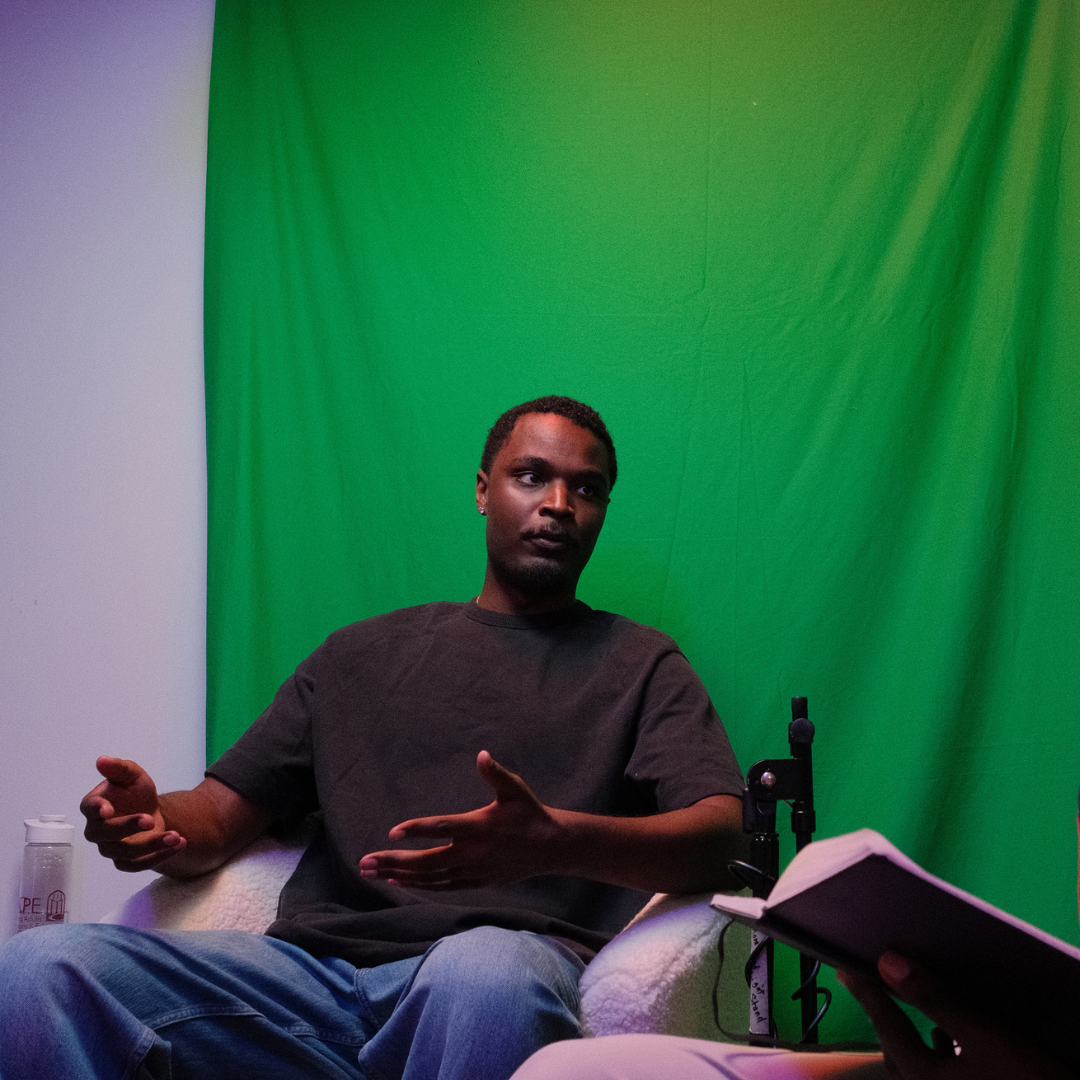
Photo of Mehki Liggon from Austin Sena
It could be a script line, a scene idea, or a general situation that could turn into something. I also try to watch a movie a day, so I have a ton of notes from things I’ve watched. Different characters and things.
Are you drawing more inspiration from your own personal life or from the different art you consume and watch?
Right now, I’m finding the most inspiration from the art I see. When those moments happen, I try and be intentional about finding the reasoning behind that feeling. Studying those scenes and seeing what caught my attention and emotion.
Who were some of the first people to help you when you started producing your own projects?
First, I'm going to always say my older brother, Mallom. He [Mallom] just being out in LA [For School] motivated me. He bought me Final Draft for my birthday when I didn't have it. He was always there to give me advice and read my scripts.
My second call was actually to Mason [Mason Martin]. I mean, back in high school, it was simple. I just knew he had a camera (laughs) I’m thinking in my head “Look, I gotta film something, let’s work it out”.
He showed up on set, and we shot a short film. It didn’t go as planned, but I know that it was all part of the process, and now we are where we are.
Define storytelling from your perspective.
I think, as of recently, that answer has changed a bit.
I was watching a podcast where this dude was asking the question, “What is the purpose of all of this storytelling?” Looking to inspire writers to dig deeper into the stories they look to tell and create.
For me, I connected to the question because I can’t just be like “Oh, let's tell this story because this is a cool idea”. Let’s ask ourselves, “What is the purpose behind this story, and how could this benefit an audience?”
It really just stems from the purpose. Telling stories through my lens that can serve as a benefit to an audience.
Talk to me about your latest release, ‘She’s All The Rage’. What began this project as the catalyst to put the pen to pad?
The inspiration was the film ‘She’s gotta have it’ by Spike Lee. I watched that film, and I didn’t relate to it at all. I thought to myself, “Damn, this girl is kinda annoying.” (Laughs)
Then I thought about it, and I loved the structure of the story. I felt like there were a lot of things I was going through at the time, personally, that I could write about and articulate my thoughts in a structure centered around relationships. Specifically, romantic relationships.
From there, I just reflected on some of my own experiences and how I could flow them through the story.
I want to talk about your intentions behind this story. Obviously, this film follows this woman and her different relationships. There are themes and subject matters that highlight the black experience. Specifically, black women and their perspectives on dating/relationships. Explain the intentionality behind that perspective and why it was important for you to highlight it.
All the characters in the short I could relate to. I would say the intention behind going with a black woman as the lead in all the relationships, you get to see some of the stigmas and struggles that they, referring to black women, go through in their current dating lives.
Many women feel stigmatized or fetishized and have unfair standards put on them. So I thought there would be a lot of conflict there for the story. I believed there was emotional depth and quality there for the audience to gain perspective on as well.
What was your purpose behind this short film?
Believing in the phrase “Trust in yourself”. We have people's opinions on social media, but then you also have your friends and family. I think things are already difficult when it comes to relationships and even just friendships, where you have to have the confidence in yourself to like who you like.
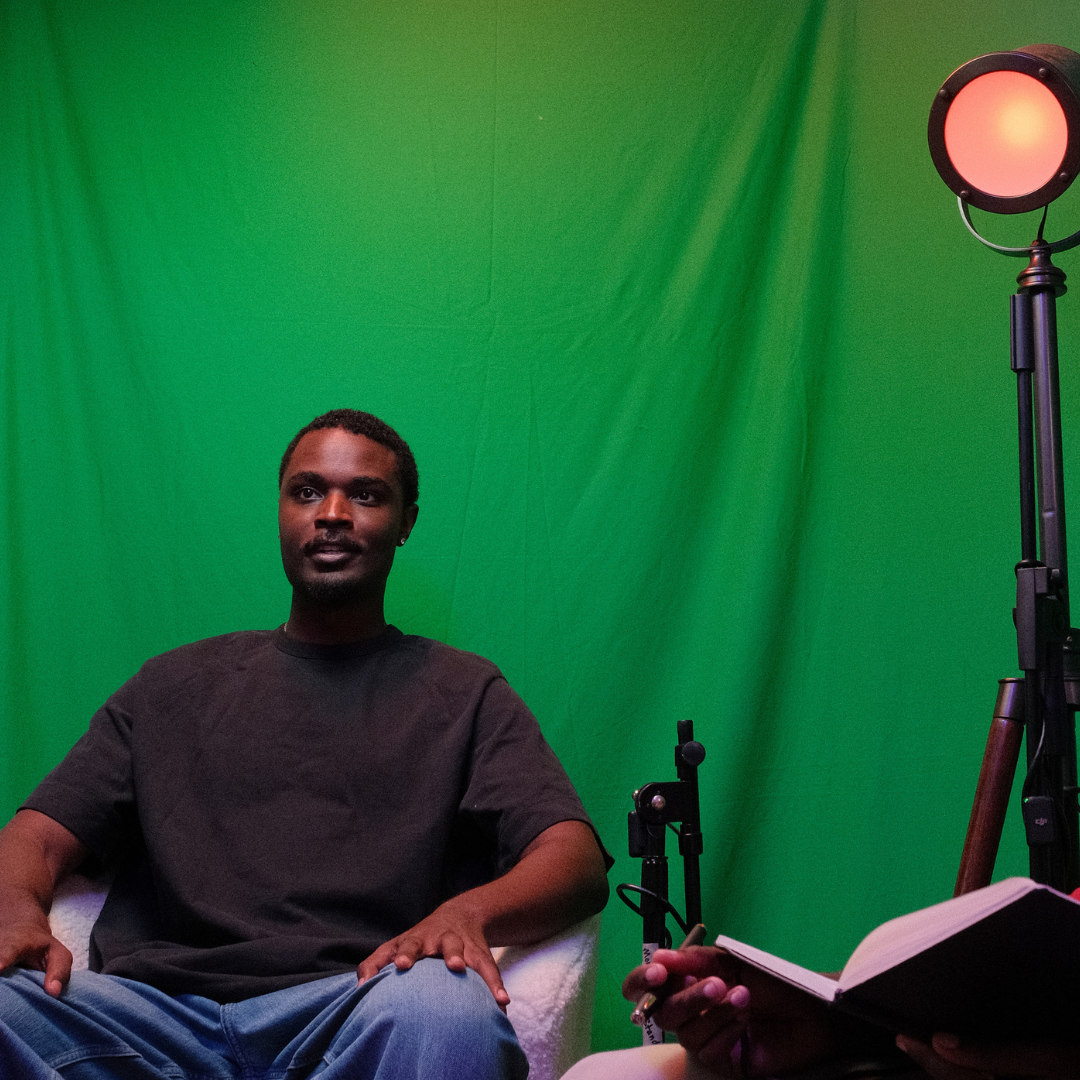
Photo of Mehki Liggon from Austin Sena
Hang out with who you want to be around and not be so concerned about other people's thoughts. I think especially for people of color, there is pressure on the types of people they can be around and date. It’s just a frustration I’ve experienced, so I just wanted to convey it in a story.
With this short film, where did you elevate your art? You’ve made short films before. Where did you choose to raise the stakes of the project in how it was delivered?
The goal is to get better with every project. I tried to personally identify all the ways I could improve in comparison to my last short films.
Getting rid of the whole “I’m annoying people promoting my own stuff” type of mindset. My main goal was to throw that all away. I went in treating this like it was a professional film shoot and production. I went to Apple Films, Warner Bros, and Universal, looking at their accounts to see how they marketed movies. Figuring out how to implement some of this into what I’m trying to do.
Just going purely off our YouTube numbers, they're the best we’ve had. We did a great job. The cast promoted it well. My friends came out and supported it as well. So for me, it feels like a success in that regard.
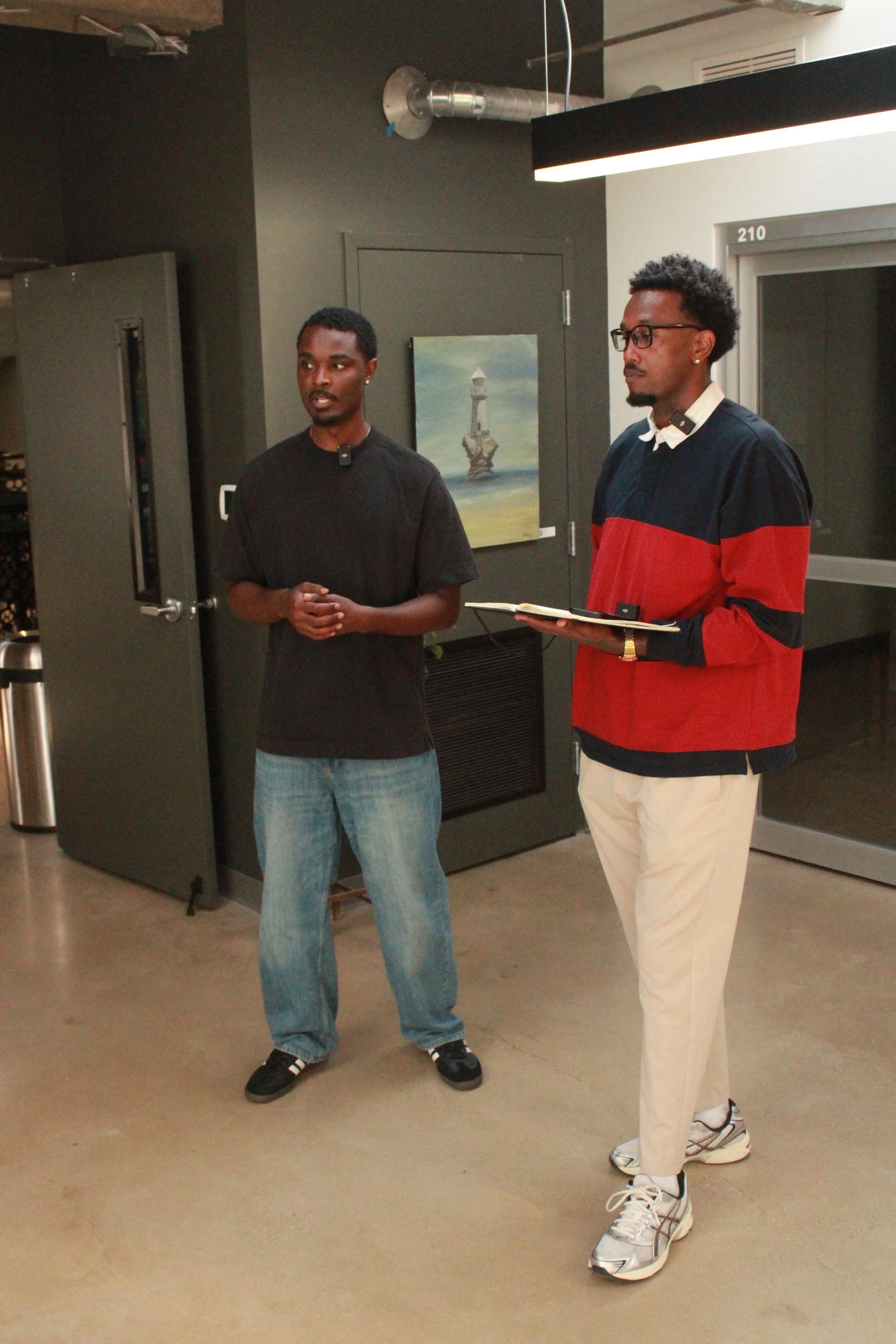
Photo of Mehki Liggon and Canaan Wilson from Jordan Wilson
Be sure to check out Mehki Liggon on his social media pages and look out for more projects coming soon!
Special thanks to photographer Austin Sena, Jordan Wilson and Mason Martin for their contributions to this Cover Story. More to come!